How to Design a Conference Experience That Audiences Remember

Most people won’t remember every presentation they attended at a conference.

They probably won’t remember every statistic, every slide or every piece of signage either. What they do remember is how the event felt. They remember whether it was easy to navigate. Whether the content felt relevant. Whether the experience felt connected. Whether they felt part of something bigger than a series of presentations.

Over the years, I’ve been fortunate enough to work on conferences, recognition programmes and live experiences around the world, helping brands communicate with audiences ranging from a few hundred people to several thousand. While every event is different, the most successful ones tend to share a few common principles.
Start With People, Not Graphics

As designers, it’s easy to get excited about visual ideas.

But the strongest event experiences rarely begin with colour palettes, logos or screen designs.

They begin with people. Who is attending? Why are they there? What do they need to understand, feel or do?

The answers to those questions shape everything that follows. A sales recognition programme has very different requirements to an investor event or leadership conference. Understanding the audience first helps create experiences that feel purposeful rather than simply decorative.

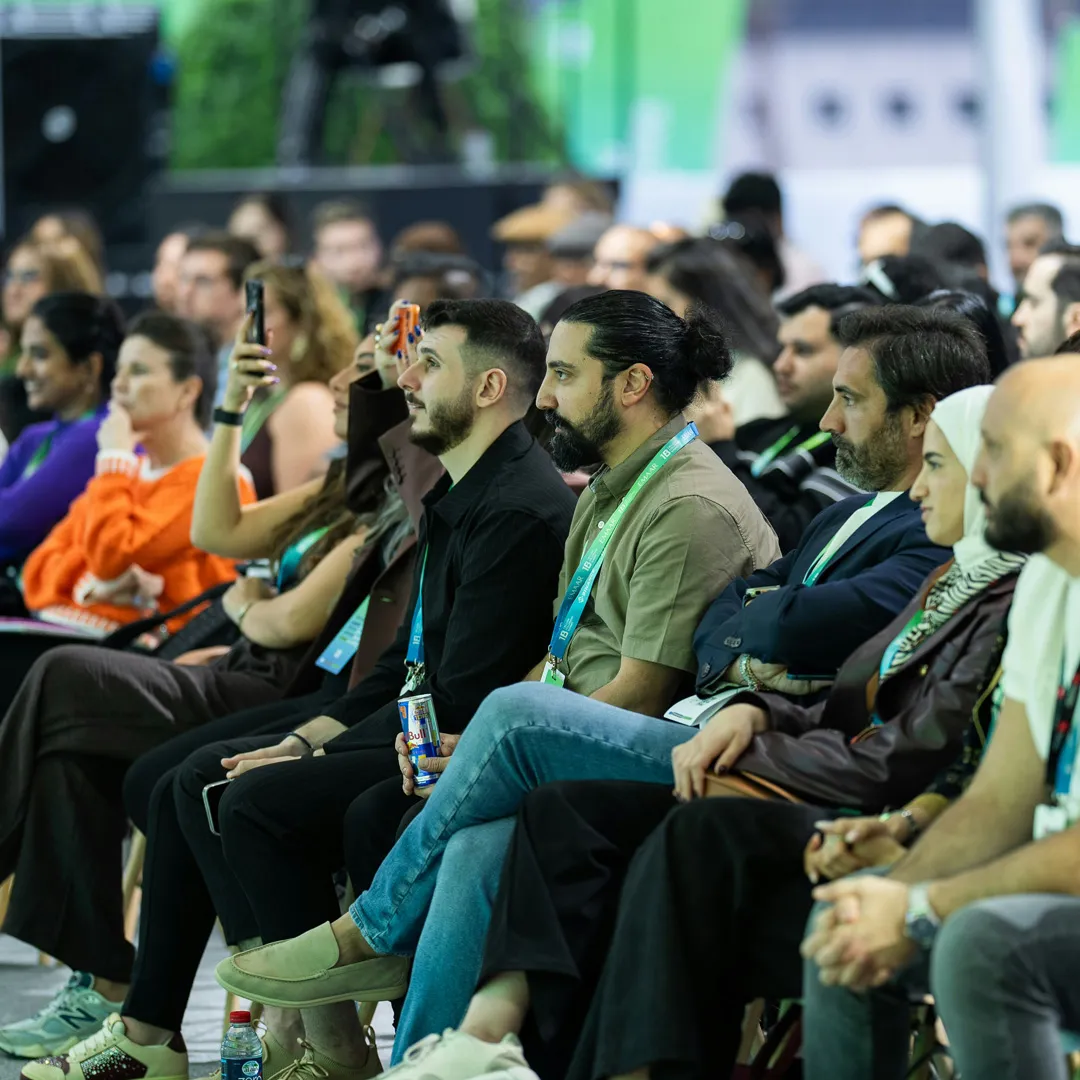
Conference attendees engaged in a keynote presentation at a large-scale business event designed to enhance audience experience and engagement.

Think About The Entire Journey

When people think about conference design, they often picture the main stage.

In reality, the experience starts long before the first speaker walks on stage. It begins with registration emails, websites and event apps. It continues through arrival experiences, signage, session content, networking spaces and all the small interactions that happen throughout the day. The most memorable events feel connected because every touchpoint works together as part of a bigger story.

Good design helps people move through that journey naturally.

Create Consistency Across Every Touchpoint

Modern events exist across multiple platforms.

There might be presentation screens, digital signage, mobile apps, websites, printed materials and social content all working together at the same time. When each element feels disconnected, audiences notice. Creating a strong visual system helps everything feel like part of the same experience. Typography, colour, imagery and content hierarchy all play a role in creating familiarity and trust. The goal isn’t to make everything identical.

It’s to make everything feel connected.

Help People Find What Matters

Conferences generate a huge amount of information.

Schedules,
Maps,
Sessions,
Activities,
Announcements,
Speaker content.

One of the most valuable things design can do is make complexity feel simple. The best event experiences help people quickly answer questions such as:

  • Where do I need to be?
  • What’s happening next?
  • What should I pay attention to?
  • How do I get there?

When design reduces effort, audiences can focus on the content and the experience rather than figuring out where they need to go.

Design The Moments Between The Sessions

Some of the most memorable parts of an event happen away from the stage.

A conversation over coffee.

A recognition moment.

An unexpected interaction.

A networking opportunity.

These moments are often where relationships are built and stories are created. Design has a role to play here too. The environment, wayfinding, digital touchpoints and supporting content all contribute to the overall experience.

The best events are designed around the whole journey, not just the presentations.

Measure Success Beyond The Visuals

Beautiful design is important, but it isn’t the end goal.

Successful event design should support wider business objectives. That might mean improving engagement, increasing participation, driving app adoption or helping audiences better understand key messages. The most effective event experiences balance creativity with purpose.

They look great, but they also work.

Final Thoughts

Conference design isn’t really about screens, signage or graphics.

It’s about helping people connect with ideas, content and each other. When every touchpoint works together, an event becomes more than a collection of individual assets. It becomes an experience that feels considered, coherent and memorable. That’s often what people remember long after the final presentation has finished.

And in my experience, that’s where great event design makes the biggest difference.

I’m Nick Farrow, a Senior Graphic Designer based in Brighton with over 30 years’ experience creating design for live experiences, presentations, digital platforms and brand communications. My work focuses on helping organisations turn complex ideas into clear, engaging visual systems that connect with their audience.

Find out more about my background and approach.

Planning a conference or live event?

A memorable event experience is built through the details: the audience journey, the visual system, the signage, the screen content and all the touchpoints that help people feel connected.

I help organisations, agencies and event teams create clear, consistent design for conferences, recognition programmes and live experiences.