What Makes A Good Event App Experience?

Event apps have become a standard part of conferences, exhibitions and live experiences.

They help attendees manage schedules, find sessions, book activities, connect with other delegates and access important event information. Yet despite becoming increasingly common, many event apps still feel like digital brochures rather than useful tools.

The problem isn’t usually the technology. It’s the experience. The best event apps don’t simply provide information. They help people get more value from the event itself.
Start With Attendee Needs

One of the biggest mistakes event organisers make is designing an app around the event rather than the attendee.

Attendees don’t open an event app because they’re interested in the platform. They open it because they’re trying to achieve something.

They might want to:

  • Find their next session
  • Locate a meeting room
  • Build a personalised agenda
  • Discover networking opportunities
  • Book activities
  • Access event content

A good event app removes friction and helps people achieve these tasks quickly and easily. Every feature should support a genuine attendee need.

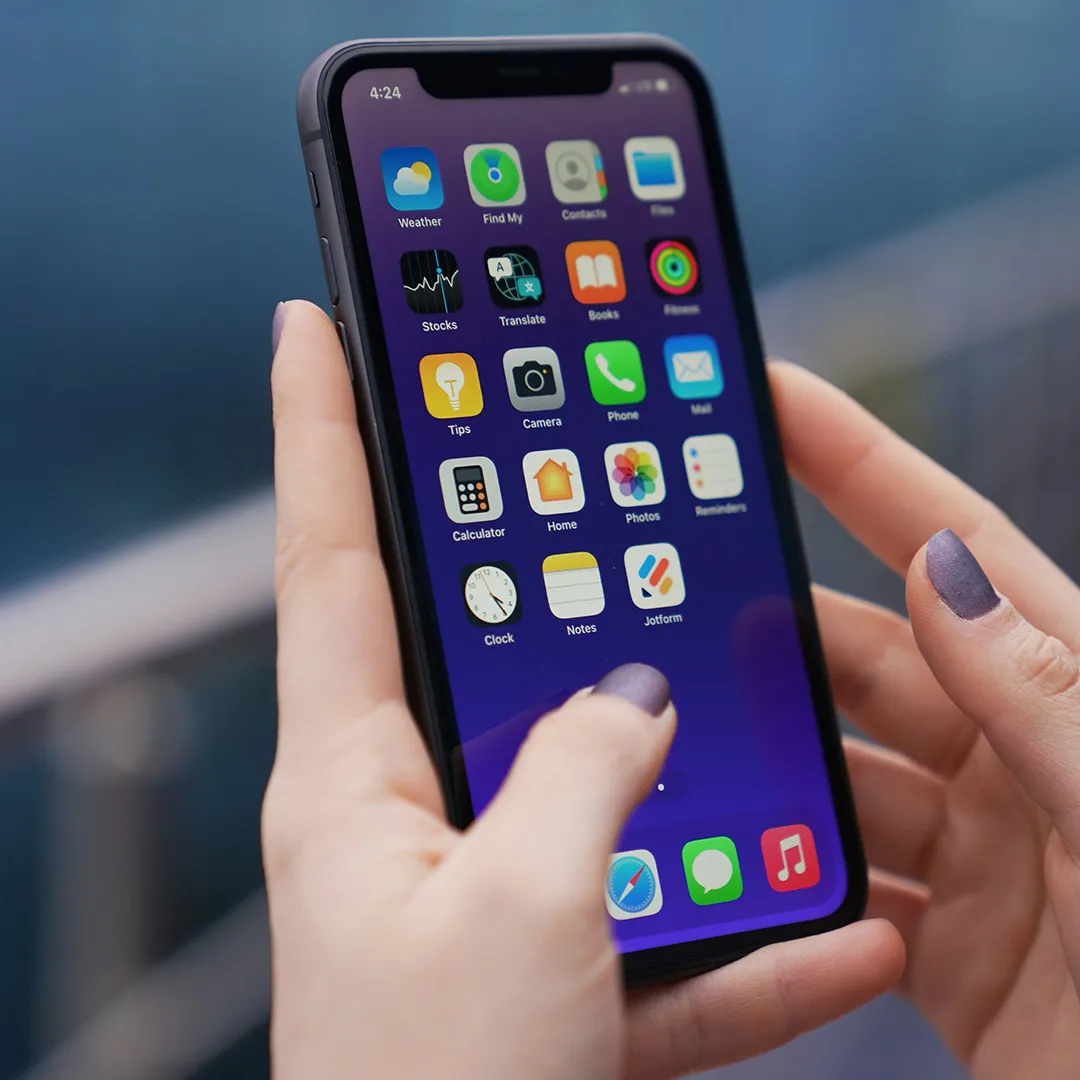
Person using a smartphone with app icons displayed on the screen.

The best event apps don’t simply provide information. They help people get more value from the event itself.

Simplicity Wins

Events are busy environments.

People are moving between sessions, speaking with colleagues, checking emails and trying to absorb large amounts of information. This is not the moment for complicated navigation or feature-heavy interfaces.

The most successful event apps focus on clarity. Simple navigation. Clear labelling. Logical information architecture. The fewer clicks required to complete a task, the better the experience becomes.

Personalisation Creates Value

Not every attendee follows the same journey.

A sponsor may have very different priorities to a keynote speaker or first-time delegate. Personalisation helps make large events feel more relevant and manageable. This could include:

  • Personal agendas
  • Session recommendations
  • Saved content
  • Activity bookings
  • Tailored notifications

When attendees feel the app understands their needs, engagement naturally increases.

Good Content Matters More Than Features

Many event apps focus heavily on functionality while overlooking content quality.

Attendees rely on event apps as a primary source of information. If session descriptions are unclear, speaker biographies are incomplete or schedules aren’t kept up to date, confidence quickly disappears.

Good content design is often invisible when it works well. Information is easy to find, easy to understand and always current. The technology enables the experience, but content delivers the value.

Support the Entire Event Journey

The best event apps begin delivering value before attendees arrive.

Before the event, they can help people:

  • Build schedules
  • Plan meetings
  • Explore content
  • Book activities

During the event, they become a navigation and engagement tool. After the event, they can provide:

  • On-demand content
  • Session recordings
  • Follow-up resources
  • Feedback opportunities

When viewed this way, an event app becomes part of a broader attendee journey rather than simply a conference companion.

Design For Real-World Conditions

Event environments are rarely perfect.

Attendees may have poor connectivity, limited time and countless distractions competing for attention. This is why good event app design focuses on practical usability. Important information should be accessible quickly.

Navigation should remain intuitive. Performance should feel reliable. An attendee standing outside a meeting room needs answers immediately, not after navigating through multiple screens.

Data Should Improve The Experience

Modern event platforms collect a significant amount of attendee data.

Used responsibly, this information can improve the attendee experience rather than simply reporting on it. Understanding behaviour can help organisers identify:

  • Popular content
  • Session engagement
  • Booking trends
  • Audience interests
  • Opportunities for improvement

The goal isn’t collecting data for the sake of it. It’s using insight to create better experiences.

Technology Should Feel Invisible

The most successful event technology often goes unnoticed.

Attendees rarely leave an event saying, “That was a great app.”

What they do say is:

“I found everything easily.”

“I never missed a session.”

“Booking activities was simple.”

“The event felt well organised.”

That’s the real measure of success. Technology should quietly support the experience rather than becoming the experience itself.

Final Thoughts

A good event app isn’t defined by the number of features it contains.

It’s defined by how effectively it helps attendees achieve what they came to do. The best event apps simplify complex events, reduce friction and help people make the most of their time.

When technology, content and user experience work together, the app becomes more than a digital tool. It becomes an essential part of the event experience. And when that happens, everybody benefits.

I’m Nick Farrow, a Senior Graphic Designer based in Brighton with over 30 years’ experience creating design for live experiences, presentations, digital platforms and brand communications. My work focuses on helping organisations turn complex ideas into clear, engaging visual systems that connect with their audience.

Find out more about my background and approach.

Need An Event App Experience That Feels Clear, Useful And Easy To Use?

A good event app should do more than hold an agenda. It should help attendees understand where they need to be, what they need to do next and how to get the most from the experience.

If you are planning a conference, live event or digital event platform, I can help shape the user journey, interface design and visual system so the experience feels connected before, during and after the event.

Explore my digital experience design services.