Why Good Quality Event Merchandise Matters More Than Ever!

Every event leaves an impression.

The speakers.
The venue.
The presentations.
The conversations.

But there is one element that often continues telling your brand story long after the final session has ended.

The merchandise.

Unfortunately, too many organisations still treat event merchandise as a procurement exercise rather than a design opportunity. The conversation often starts with cost instead of purpose.

How cheap can we make it?
How many can we order?
Can we get our logo printed on it?

The result is usually another branded pen, another cotton tote bag or another item that never makes it out of the attendee’s hotel room. Good merchandise should do much more than display a logo. It should become part of the experience.
Merchandise Is An Extension Of Your Brand

Every touchpoint influences how people perceive your organisation.

That includes the invitation, registration experience, presentations, signage, event app, exhibition stand and merchandise. When every element feels connected, attendees notice. When one part feels rushed or low quality, they notice that too. Merchandise is often the only physical reminder people take home. Unlike digital presentations or event websites, it remains visible for weeks, months or even years.

A premium notebook on someone’s desk.
A water bottle used every day.
A backpack carried through airports.
A quality jacket worn throughout winter.

Each one quietly reinforces your brand without saying a word.


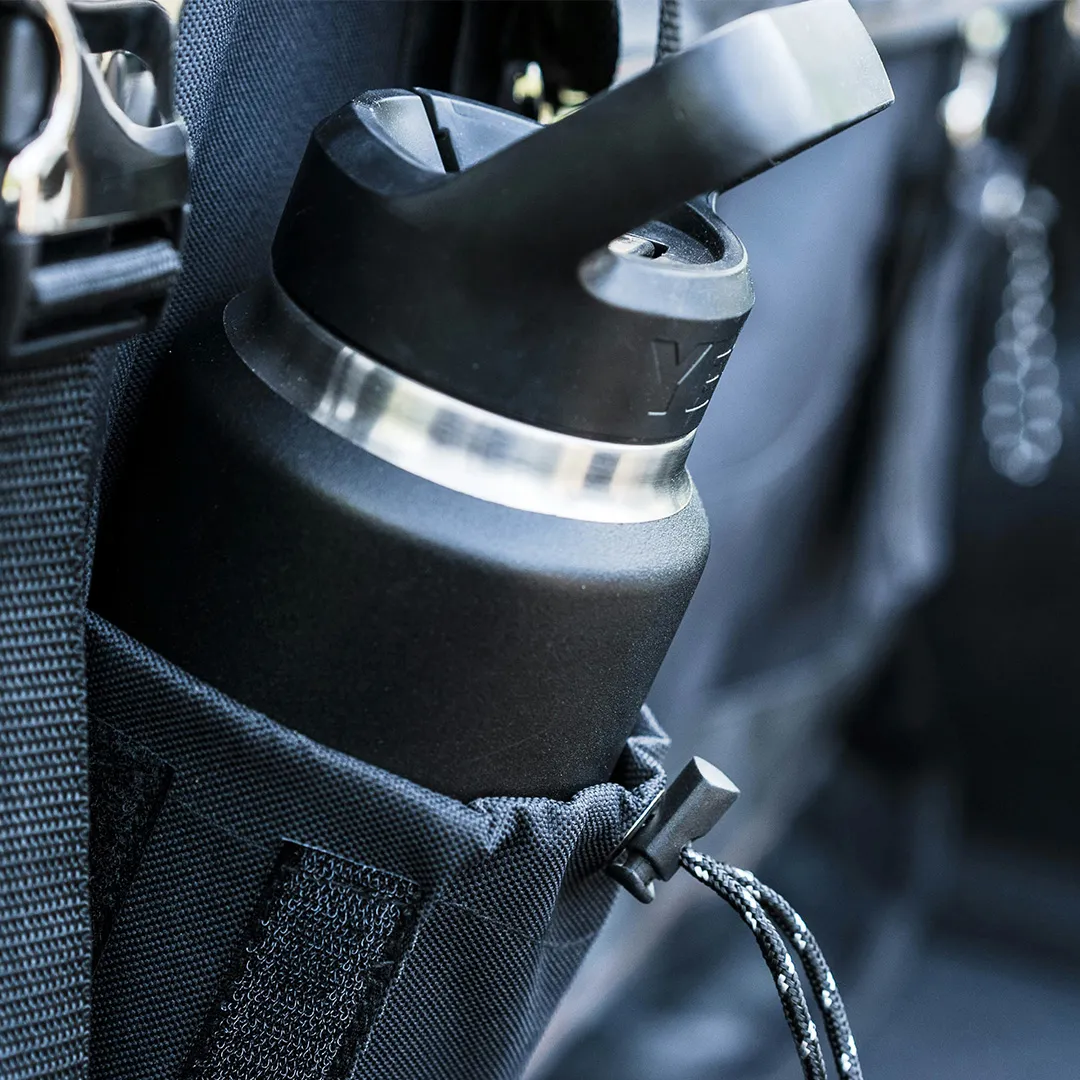
Reusable black water bottle stored in a conference bag, representing practical branded merchandise for events.

The best conference merchandise is not just branded. It is useful, well-made and worth keeping.

Quality Always Communicates Something

People naturally associate the quality of an item with the quality of the organisation behind it. This isn’t simply about luxury. It’s about thoughtfulness.

A carefully selected product tells attendees:

“We considered what would actually be useful.”

Cheap promotional items often communicate the opposite. They feel disposable. And disposable merchandise usually becomes disposable branding. If your event has invested thousands in production, speakers, staging and content, it makes little sense to undermine that experience with merchandise that feels like an afterthought.

Useful Merchandise Gets Used

The best event merchandise solves a problem.

It makes travelling easier. It improves someone’s working day. It becomes part of their routine. Ask yourself one simple question.

Would I actually keep this?

If the answer is no, your audience probably won’t either. The products people remember are rarely the most expensive. They’re simply the most useful.

Must-have Conference Merchandise For 2026

1. A genuinely useful tote or event bag

The tote bag is not dead, but the flimsy one is. A good conference bag still works because people need something to carry notebooks, chargers, water bottles, leaflets and personal items. But it needs to be strong, well-sized and good enough to use again.

Go for recycled cotton, canvas, recycled polyethylene terephthalate (RPET) or a more structured shopper-style bag. Keep the branding elegant. A well-designed tote can continue to be seen long after the event. Drop the thin, scratchy tote that loses shape before lunch.

2. Quality drinkware

Reusable bottles and tumblers remain one of the strongest event merchandise choices because they are practical, visible and used repeatedly.

For conferences, drinkware works especially well when hydration stations are part of the event experience. It encourages use on-site and reduces reliance on single-use cups or bottles. The key is quality. A cheap bottle that leaks will damage the brand. A well-made bottle or tumbler with tasteful branding will be used again and again.

3. Premium notebooks or planning pads

In a digital-heavy world, a well-designed notebook still has value, especially at conferences where people are listening, learning and capturing ideas.

But it needs to feel worth keeping. Better paper, strong binding, useful page layouts and a considered cover design make a big difference. A notebook can also carry event-specific content: agenda prompts, reflection pages, session notes, networking space or key takeaways. Drop the generic A5 pad with a logo slapped on the front.

4. Better apparel

T-shirts, sweatshirts, caps and lightweight jackets can be brilliant when they feel like something people would choose to wear.

The mistake is assuming all apparel works. It does not. Poor fit, poor fabric, oversized logos and awkward slogans usually mean the item never leaves the suitcase. In 2026, branded apparel needs to feel closer to retail quality. Better cuts, softer materials, smaller marks and stronger design details make it more wearable. For internal conferences, team events or incentive trips, apparel can create a strong sense of belonging. For public conferences, it needs to be stylish enough to live beyond the event.

5. Tech accessories that solve a real problem

Tech merchandise can work extremely well, but only when it is useful and reliable.

Good examples include multi-cables, cable organisers, laptop sleeves, webcam covers, portable chargers from reputable suppliers, or desk accessories that support hybrid working. Avoid cheap electronics. They often fail quickly, feel disposable and can create safety or quality issues. If the tech item is poor, it reflects badly on the brand.

6. Personalised or interactive merch

One of the strongest shifts for 2026 is merchandise as an experience.

Instead of handing everyone the same item, brands can create live customisation moments. Patch bars, initials, colour choices, badge personalisation, screen-printed items or build-your-own kits all make merchandise feel more personal. When people have a role in creating the item, they are more likely to keep it. This also creates activity around the stand or event space, giving people a reason to stop, engage and share the moment.

7. Smart badges, lanyards and credentials

Badges and lanyards are often treated as purely functional, but they are one of the most visible branded items at a conference.

A well-designed badge system can improve wayfinding, networking, access control and photography. Colour coding, clear typography and good hierarchy can make the whole event feel more organised. Lanyards should also be considered carefully. Recycled materials, woven designs, subtle branding and useful attachments can make them feel much more professional. Drop the scratchy, overly busy lanyard that competes with everything else.

8. Travel-friendly items

Conference audiences are often travelling. That makes compact, useful travel items a strong choice.

Packing cubes, luggage tags, travel wallets, reusable toiletry bags, sleep masks, foldable water bottles and cable pouches can all work well when they are relevant to the audience. The best travel merch feels useful before, during and after the event.

Merchandise To Drop In 2026

Some merchandise has had its day. Not because the idea is always bad, but because too many versions are cheap, forgettable or wasteful.

  • Drop the lowest-quality pens. People already have too many, and bad pens say very little about your brand.
  • Drop stress balls unless they are genuinely relevant to the event idea. Most feel like filler.
  • Drop cheap USB sticks. Cloud sharing, QR codes and event apps have made them feel dated for most conferences.
  • Drop plastic-heavy novelty items. If it feels like it will be thrown away by the end of the day, it probably should not be ordered.
  • Drop oversized logo printing. People are more likely to use merchandise that feels designed for them, not as a walking advert.
  • Drop one-size-fits-all apparel. Bad sizing creates waste and frustration.
  • Drop excessive packaging. A premium item wrapped in unnecessary plastic sends the wrong message.
  • Drop anything that does not connect to the audience, event theme or brand experience.

Good Merchandise Needs A Strategy

The most successful conference merchandise starts with the audience, not the catalogue.

Before choosing products, ask:

Who is attending?
What will they actually use?
How are they travelling?
What do they need during the event?
What would they keep afterwards?
How does the item connect to the event message?
Can it support sustainability goals?
Does it feel like the brand?

Merchandise should not be a last-minute procurement task. It should be part of the event identity from the beginning. When it is designed alongside the wider conference experience, it can support the story, improve engagement and make the brand more memorable.

Sustainability Matters Too

Attendees are becoming more selective.

They don’t want products they’ll throw away. They want products that have a purpose. That means buying fewer items, choosing better materials and designing products people genuinely want to keep. A single high-quality item often creates more value than five cheaper alternatives.

Better for the attendee.
Better for the environment.
Better for your brand.

Merchandise Should Never Be An Afterthought

One of the biggest mistakes I see is leaving merchandise until the final weeks before an event.

By then, decisions are driven by lead times rather than strategy. The best event merchandise is considered early alongside the wider event experience. It becomes part of the creative thinking rather than simply another production task.

When designers are involved from the beginning, merchandise can support the event identity, complement the presentations, align with signage and create a consistent experience across every touchpoint.

That’s where it delivers real value.

Related event design insights

The Real Value Is Not The Item. It Is The Memory.

Good quality merchandise works because it turns a brand into something physical.

It gives people a reminder of where they were, what they learned and how the event made them feel. That emotional connection is what makes merchandise valuable. A cheap giveaway says, “We needed something to hand out.”
A well-designed item says, “We thought about you.”

That difference matters. In 2026, the best conference merchandise will be practical, sustainable, beautifully branded and genuinely worth keeping. Brands that understand this will create stronger recognition, better engagement and a more lasting impression. Because at a great conference, merchandise should never feel like an afterthought. It should feel like part of the experience.

I’m Nick Farrow, a Senior Graphic Designer based in Brighton with over 30 years’ experience creating design for live experiences, presentations, digital platforms and brand communications. My work focuses on helping organisations turn complex ideas into clear, engaging visual systems that connect with their audience.

Find out more about my background and approach.

Planning An Event?

Whether you’re creating a global conference, leadership meeting or recognition programme, the strongest experiences are built through connected design thinking. From presentations and signage to merchandise and digital experiences, every touchpoint should work together.

Explore my Event Design services to see how strategic design can create more engaging, memorable experiences, or browse my Brand & Campaign Systems work to see how consistent visual frameworks strengthen every attendee interaction.